© 2021 Gwen Dewar, Ph.D., all rights reserved
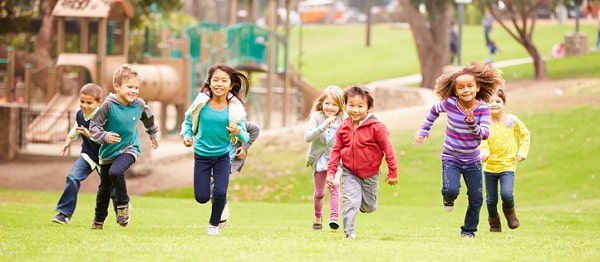
Experts recommend that kids get at least 60 minutes of moderate-to-vigorous exercise each day. Why? Such activities are crucial for cardiovascular health. But exercise for children is important for other reasons too. It appears to stimulate brain growth. It helps kids focus, and stick to a plan. It may even make it easier for children to learn.
Where’s the evidence?
The story begins with experiments on mice.
Aerobics and the brain
Henriette van Pragg and her colleagues wanted to know how regular, aerobic exercise might affect the brain. So they subjected mice to different living arrangements:
- Some mice were randomly assigned to live in cages that included running wheels. These mice were free to run whenever they liked.
- Other mice were randomly assigned to live in cages that lacked running wheels. They could pace around their cages, and play with their fellow cage mates. But that was all.
What happened?
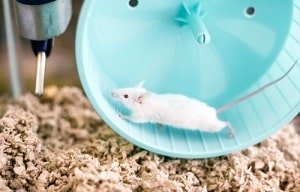
The mice with access to running wheels took advantage of the opportunity to exercise. And compared with their less active counterparts, they experienced a dramatic difference in the hippocampus — a part of the brain that is associated with learning and memory (van Pragg, Kempermann et al 1999).
In particular, the researchers examined a hippocampal structure called the dentate gyrus, a place where memories are formed and strengthened. And the difference?
The physically active mice had grown more new brain cells over time. By 4 weeks, they had twice as many new brain cells in the dentate gyrus as did the less active mice.
There were functional differences too.
The mice who had exercised performed better on a spatial learning task.
And in a follow-up experiment, van Pragg’s team found that the neurons of physically active mice behaved differently. They could sustain longer bouts of “long-term potentiation,” a process that strengthens the connections between neurons (van Pragg, Christie et al 1999).
What can explain these changes? How can aerobic exercise produce these effects?
Exercise is known to improve mood. So perhaps animals learn better when they feel better.
But there’s more going on.
Aerobic exercise promotes cardiovascular fitness, which, in turn, promotes the growth of new blood vessels and improves circulation in the brain.
And decades of research confirms that aerobic exercise can:
- boost levels of brain-derived neurotrophic factor (BDNF), a substance essential for the growth of brain cells;
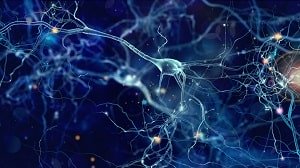
- stimulate neurogenesis (the birth of new neurons); and
- mobilize the expression of genes that are believed to enhance brain “plasticity” — the ability of the brain to form new connections and alter old ones.
[For scholarly reviews of these discoveries, see Voss et al 2013; Mandolesi et al 2018; and Arida et al 2021.]
Okay, so what about exercise for children? How does exercise affect a young human brain?
A lot of the research about exercise and brain function has focused on nonhuman subjects. But scientists have also found evidence that physical exercise affects the brains of human children (Herting and Nagel 2012; Chaddock-Heyman et al 2014).
For example, consider the hippocampus, the part of the brain that responds to exercise in mice.
In kids, we see an intriguing pattern: The more physically fit a child is, the larger his or her hippocampus tends to be. And it isn’t just a question of brain volume. There are also links with learning and memory.
In one study, researchers appraised the fitness in teenagers by measuring their maximal oxygen during a workout.
They also scanned they teens’ brains using functional magnetic resonance imaging, and they challenged kids with a spatial learning task (Herting and Nagel 2012).
How did kids compare? Not only did the most physically fit teenagers have bigger hippocampal volumes. They also performed better on the spatial learning task.
In another study, researchers subjected 9- and 10-year-old children to a treadmill test to assess their physical fitness. Then they asked the kids to memorize new places on a map.
During the initial memorization session, kids learned equally well, regardless of their physical fitness level. But when children were tested on their retention the following day, highly-fit individuals outperformed kids with lower fitness levels (Raine et al 2013).
Then there’s the evidence regarding “executive functions” – the skills we use to focus, plan, and keep on top of changing conditions.
Executive functions are the cognitive abilities we rely on to control our own behavior.
They permit us to pay attention, stay focused, and juggle information in working memory.
They help us restrain our impulses and stick to a plan.
They also help us solve novel problems, adapt quickly to changing rules.
As you might expect, executive functions are linked with higher academic achievement. They’re linked with better economic and mental health outcomes, too (e.g., Moffit et al 2011; Miller et al 2012; Grant et al 2017).
And there’s reason to think that physical fitness can enhance some of our executive functions. Why?
To understand the evidence, let’s take a closer look at one measure of executive function — the so-called “flanker task.”
The flanker task: How researchers measure your ability to concentrate and filter out distractions
It works like this.
I show you an image like this row of fish, and I ask you to indicate (by pressing a button) whether the central figure in the row is pointing to the left or to the right.

Not difficult, eh? Especially here, where the both the central fish, and the surrounding (flanker) fish are all pointing in the same direction.
But in the typical flanker task, you’ll be asked to look at many, many images, and sometimes you’ll see images where the central figure and flanking figures are pointing in opposing directions:

So you can see how this gets tricky. The direction of the central fish doesn’t merely change — unpredictably– from one image to the next.
There are also many “incongruent” trials, where the flankers are distracting you by pointing in the opposite direction.
And we’re especially prone to make errors on the incongruent trials. When we see all the flankers pointing to the right, our first impulse may be to hit the “right” button, even when that’s the wrong answer.
To perform well on the flanker task, we need to
- concentrate,
- filter out irrelevant details, and
- inhibit our immediate, knee-jerk responses.
These are classic executive functions. So who performs well on the flanker task?
I’ve already mentioned that executive functions are linked with higher academic achievement, and this applies to flanker task. Kids who do well on the flanker test tend to earn higher grades in mathematics and language skills (Visier-Alfanso et al 2020).
And it’s fun to note: Jet fighter pilots have superior accuracy on the flanker task (Roberts et al 2010).
But what really interests us here is another group — kids who are physically fit.
Children who are physically fit perform with greater accuracy on the flanker task, and their brains respond differently, too: Kids with higher levels of fitness allocate more brain resources to attention and working memory during the flanker task (Raine et al 2018).
So we’ve got a lot of intriguing patterns. Can we conclude that physical fitness causes beneficial brain growth? Learning and memory enhancements? Improvements in executive function?
The difficulty is that these studies report correlations only. They can’t prove causation. For that, we need randomized, controlled experiments (Janssen et al 2014). And in recent years, there have been several.
Mounting evidence: What experiments reveal about the cognitive benefits of exercise for children
First, there are hints that a single bout of aerobic exercise can cause immediate, short-term improvements.
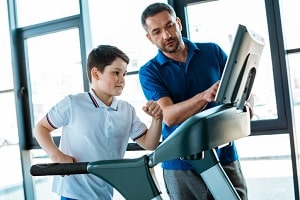
In an experiment on 40 children between the ages of 8 and 10, researchers administered the flanker test twice:
- once after kids had exercised (20 minutes on a treadmill), and
- once after kids had engaged in a sedentary activity (20 minutes of reading).
Kids took each test on a different day, and researchers randomized the order. So half the kids experienced the exercise condition first, and the other half experienced the sedentary condition first.
Did the condition matter? Did it have any effect on children’s performance on the flanker task?
It did.
Kids made fewer errors if they attempted the flanker test immediately after exercising. They also showed patterns of brain activity consistent with heightened attention and working memory function.
These improvements were evident in normally-developing children, and also in kids who had been diagnosed with ADHD. But kids with ADHD experienced an additional, special effect:
After exercising, they were more likely to respond to their mistakes by slowing their pace — a helpful way to prevent future errors (Pontifex et al 2013).
Subsequent research has reported benefits for kids who usually struggle with the flanker task (Drollette et al 2014).
And bouts of exercise have been found to help children with ADHD perform better on other tests of executive function, such as tests that require people to switch back and forth between different sets of rules (Hung et al 2016), and tests that tax working memory (Benzing et al 2018).
There is also evidence for long-term effects.
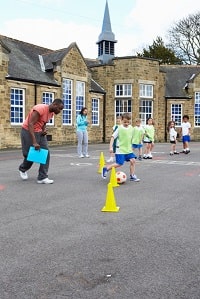
In the 21st century, researchers have conducted a number of interventionist studies — studies where some kids are randomly selected to engage in daily physical training.
Typically, the workouts are substantial — anywhere from 40-70 minutes of moderate-to-vigorous physical activity, 5 times per week. And the intervention continues for many weeks before children are evaluated for cognitive improvements.
For instance, take a study of 94 overweight school children (aged 7 to 11, with a BMI above the 85th percentile).
Researchers randomly assigned each child to one of three groups:
- a “high dose” exercise group that spent 40 minutes a day getting aerobic exercise (activity that kept children’s heart rates at or above 150 beats per minute);
- a “low dose” exercise group that experienced similar workouts, but for only 20 minutes per day; and
- a control group.
After 15 weeks, researchers tested kids on their cognitive function. The results?
Children who exercised showed greater improvements in one executive function skill: the ability to improvise — and follow — a plan. But this was true only for the children who had experienced the “high dose” of exercise.
The kids enrolled in the “low dose” exercise program did not differ significantly from the kids in the control group (Davis et al 2007).
And in a follow-up study of 171 children, researchers obtained similar results: High-dose exercise led to improvements in planning ability. Low-dose exercise didn’t (Davis et al 2011).
Other long-term studies — conducted by different research teams — have found that high doses of daily aerobic exercise can help kids with other aspects of executive function.
For example, in a randomized study of more than 220 school children (aged 7 to 9), kids who were assigned to engage in 60 minutes of daily, after-school aerobic activities performed better on the flanker task.
They also showed greater cognitive flexibility — the ability to switch between tasks while maintaining speed and accuracy (Hillman et al 2014).
And there is evidence that regular physical exercise can boost working memory performance.
In one study, researchers randomly assigned 71 school children (aged 9-10) to receive one of three treatments:
- cardiovascular training (e.g., running and running-based games);
- motor skill training (e.g., ball games, speed ladder drills); or
- academic support (assisted homework sessions).
All children spent 45 minutes, three days per week engaged in their assigned activities. After 10 weeks, researchers tested kids on their working memory skills.
Kids in both of the physical exercise treatment groups — cardiovascular and motor — experienced improvements in working memory.
Kids in the physically inactive control treatment group (assisted homework) did not (Koutsandréou et al 2016).
The results are consistent with other studies — studies that compared kids in physical fitness programs with kids on a waiting list to begin training. In both younger children and adolescents, daily workouts led to improved performance on working memory tasks (Kamijo et al 2012; Ludya et al 2018).
Does every study report benefits?
No. But when researchers have analyzed the overall trend across studies — and focused on studies with the best methodology — they’ve come to the same conclusion (Donnely et al 2016; Martin et al 2018; Wassenaar et al 2020):
There is pretty strong evidence that regular, frequent, rigorous exercise (e.g., 40 minute sessions of moderate-to-vigorous physical activity held at least 3-5 times per week) can help kids improve cognitive function.
What about academic performance? Does exercise for children have an observable effect on grades? On test scores?

Now we’re on murkier ground.
On the positive side, correlational studies report links between physical fitness and higher academic achievement. In a study of 570 school children, kids who were physically fit tended to earn higher grades in mathematics and language (Visier-Alfonso et al 2020).
There are also studies that support the idea that brief bouts of exercise contribute to immediate, short-term improvements in academic performance.
For instance, in experimental studies, a 20 minute session of physical exercise boosted children’s performance on tests of reading, spelling, and arithmetic (Hillman, Pontifex et al 2009; Pontifex et al 2013; Howie et al 2015).
And some studies report benefits for long-term exercise programs.
For example, in one of those “high dose / low dose” physical training experiments, overweight school children (aged 7-11) assigned to “high dose” exercise experienced improvements in their mathematics scores after three months (Davis et al 2011).
But overall, it’s a mixed bag.
Simply increasing the time spent in PE classes doesn’t seem to have any consistent effect on children’s academic performance. Some research suggests it may help kids with mathematics, but not reading. Other research supports the opposite pattern. And some studies fail to find any positive academic effects at all (Donnelly et al 2016).
Will further research change the picture? Possibly.
In a recent analysis of the published research, Vedrana Sember and her colleagues point out that success seems to depend on quality of the physical education program.
In particular, studies are more likely to report improved academic outcomes when the people in charge of the fitness training are highly-qualified experts (Sember et al 2020).
That makes sense if lasting cognitive benefits depend on becomingphysically fit.
To turn a sedentary child into a physically fit child, we need probably need a “high dose” of moderate-to-vigorous exercise, and physical education specialists are probably more skilled at keeping kids sufficiently active.
In one study, kids taught by qualified physical education specialists (as opposed to classroom teachers) spent 57% more time in moderate-to-vigorous exercise (McKenzie et al 1992).
So maybe — in the future — we’ll learn that academic benefits depend on some very specific targets being met.
I’ve already mentioned studies where the “dose” of exercise mattered. Researchers have also tried varying the intensity of physical training. And they found that only high intensity training resulted in cognitive improvements and higher grades (Ardoy et 2014).
Meanwhile, what is the takeaway?
We’ve got strong reason to think that moderate-to-vigorous physical activity is good for children’s brains.
The best available evidence suggests that it can boost a child’s executive function skills — enhancing focus, working memory performance, and the ability to plan.
And while it isn’t clear if these benefits will translate to higher academic grades and test scores, it makes sense to view exercise for children as a helpful tool. To the degree that physical exercise improves health and boosts executive functions, it puts children in a better position to take advantage of educational opportunities.
So how do we make it happen?
I think it’s important to realize that physical fitness doesn’t require any one kind of regimen or style of exercise. And it certainly doesn’t require that we force kids into a program that feels competitive, embarrassing, or punitive.
On the contrary, to promote lifelong physical fitness, we need to encourage self-motivation. If a child is inactive, we need to find ways to help him or her enjoy exercise. Structured activities — like team sports or dance lessons — are good options. But so are more independent, self-directed activities, like hiking, biking, or roller skating. Or just chasing your friends around in the park.
What else can we do to help children learn and grow?
Check out these Parenting Science articles.
- The benefits of outdoor play
- Spaced learning: Why kids benefit from shorter lessons — with breaks
- Working memory tips: How to help kids focus and stick to a plan
- Teaching critical thinking: The first step is to pause and reflect
- Outdoor learning and “green time”: How kids benefit from learning and playing in nature
References: The cognitive benefits of exercise for children
Altenburg TM, Chinapaw MJ, and Singh AS. 2015. Effects of one versus two bouts of moderate intensity physical activity on selective attention during a school morning in Dutch primary schoolchildren: A randomized controlled trial. J Sci Med Sport. pii: S1440-2440(15)00236-4.
Arida RM, Teixeira-Machado L. 2021. The Contribution of Physical Exercise to Brain Resilience. Front Behav Neurosci. 14:626769.
Ardoy DN, Fernández-Rodríguez JM, Jiménez-Pavón D, Castillo R, Ruiz JR, and Ortega FB. 2014. A physical education trial improves adolescents’ cognitive performance and academic achievement: the EDUFIT study. Scand J Med Sci Sports. 24(1):e52-61
Benzing V, Chang YK, Schmidt M. 2018. Acute Physical Activity Enhances Executive Functions in Children with ADHD. Sci Rep. 8(1):12382.
Chaddock-Heyman L, Hillman CH, Cohen NJ, and Kramer AF. 2014. III. The importance of physical activity and aerobic fitness for cognitive control and memory in children. Monogr Soc Res Child Dev. 79(4):25-50.
Colcombe, S. & Kramer, A.F. 2003. Fitness effects on the cognitive function of older adults: A meta-analytic study. Psychological Science, 14, 125-130.
Cotman, C.W. & Berchtold, N.C. 2002. Exercise: a behavioral intervention to enhance brain health and plasticity. Trends in Neurosciences, 25 (6), 295-301.
Davis CL, Tomporowski PD, Boyle CA, Waller JL, Miller PH, Naglieri JA, Gregoski M. 2007. Effects of aerobic exercise on overweight children’s cognitive functioning: a randomized controlled trial. Res Q Exerc Sport. 78(5):510-9.
Davis CL, Tomporowski PD, McDowell JE, Austin BP, Miller PH, Yanasak NE, Allison JD, Naglieri JA. 2011.Exercise improves executive function and achievement and alters brain activation in overweight children: A randomized, controlled trial. Health Psychol. 30(1):91-8
Dietrich, A. & Sparling, P.B. 2004. Endurance exercise selectively impairs prefrontal-dependent cognition. Brain and Cognition, 55 (3), 516-524.
Drollette ES, Scudder MR, Raine LB, Moore RD, Saliba BJ, Pontifex MB, Hillman CH. 2014. Acute exercise facilitates brain function and cognition in children who need it most: an ERP study of individual differences in inhibitory control capacity. Dev Cogn Neuroscience 7:53-64.
Fedewa AL and Ahn S. 2011. The effects of physical activity and physical fitness on children’s achievement and cognitive outcomes: a meta-analysis. Res Q Exerc Sport. 82(3):521-35.
Grant S. Shields, Wesley G. Moons, George M. Slavich 2017. Better executive function under stress mitigates the effects of recent life stress exposure on health in young adults Stress. 20(1): 75–85
Guiney H and Machado L. 2012. Benefits of regular aerobic exercise for executive functioning in healthy populations. Psychonomic Bulletin & Review. DOI 10.3758/s13423-012-0345-4.
Herting MM, Nagel BJ. 2012. Aerobic fitness relates to learning on a virtual Morris Water Task and hippocampal volume in adolescents. Behav Brain Res. 233(2):517-25.
Hillman CH, Pontifex MB, Castelli DM, Khan NA, Raine LB, Scudder MR, Drollette ES, Moore RD, Wu CT, Kamijo K. 2014. Effects of the FITKids Randomized Controlled Trial on Executive Control and Brain Function. Pediatrics pii: peds.2013-3219. [Epub ahead of print]
Hillman CH, Buck SM, Themanson JR, Pontifex MB, Castelli DM. 2009a. Aerobic fitness and cognitive development: Event-related brain potential and task performance indices of executive control in preadolescent children. Dev Psychol. 45(1):114-29.
Hillman CH, Pontifex MB, Raine LB, Castelli DM, Hall EE, Kramer AF. 2009b. The effect of acute treadmill walking on cognitive control and academic achievement in preadolescent children. Neuroscience. 159(3):1044-54.
Hillman CH, Castelli DM, and Buck SM. 2005. Aerobic fitness and neurocognitive function in healthy preadolescent children. Medicine and science in sports and exercise 37(11): 1967-1974.
Howie EK, Schatz J, and Pate RR. 2015. Acute Effects of Classroom Exercise Breaks on Executive Function and Math Performance: A Dose-Response Study. Res Q Exerc Sport. 86(3):217-24.
Hung CL, Huang CJ, Tsai YJ, Chang YK, Hung TM. 2016. Neuroelectric and Behavioral Effects of Acute Exercise on Task Switching in Children with Attention-Deficit/Hyperactivity Disorder. Front Psychol. 7:1589.
Kamijo K, Takeda Y, Takai Y, Haramura M. 2015. Greater aerobic fitness is associated with more efficient inhibition of task-irrelevant information in preadolescent children. Biol Psychol. 110:68-74.
Kamijo K, Pontifex MB, O’Leary KC, Scudder MR, Wu C-T, Castelli DM, and Hillman CH. 2011. The effects of an afterschool physical activity program on working memory in preadolescent children. Dev Sci. 14(5): 1046–1058.
Keely TJH and Fox KR. 2009. The impact of physical activity and fitness on academic achievement and cognitive performance in children. Int Rev Sports Exercise Physiology 2(2): 198-214.
Koutsandréou F, Wegner M, Niemann C, Budde H. 2016. Effects of Motor versus Cardiovascular Exercise Training on Children’s Working Memory. Med Sci Sports Exerc. 48(6):1144-52.
Kramer AF, Colcombe SJ, McAuley E, Scalf PE, and Erickson KI. 2005. Fitness, aging and neurocognitive function. Neurobiol Aging. 2005 Dec;26 Suppl 1:124-7.
Lees and Hopkins 2013. Effect of aerobic exercise on cognition, academic achievement, and psychosocial function in children: a systematic review of randomized control trials. Prev Chronic Dis. 10:E174.
Ludyga S, Koutsandréou F, Reuter EM, Voelcker-Rehage C, Budde H. 2019. A Randomized Controlled Trial on the Effects of Aerobic and Coordinative Training on Neural Correlates of Inhibitory Control in Children. J Clin Med. 8(2):184.
Ludyga S, Gerber M, Kamijo K, Brand S, Pühse U. 2018. The effects of a school-based exercise program on neurophysiological indices of working memory operations in adolescents. J Sci Med Sport. 21(8):833-838.
Mandolesi L, Polverino A, Montuori S, Foti F, Ferraioli G, Sorrentino P, Sorrentino G. 2018. Effects of Physical Exercise on Cognitive Functioning and Wellbeing: Biological and Psychological Benefits. Front Psychol. 9:509.
Martin A, Booth JN, Laird Y, Sproule J, Reilly JJ, Saunders DH. 2018. Physical activity, diet and other behavioural interventions for improving cognition and school achievement in children and adolescents with obesity or overweight. Cochrane Database Syst Rev. 3(3):CD009728.
McKenzie TL, Sallis JF, Faucette N, Roby JJ, Kolody B. 1993. Effects of a curriculum and inservice program on the quantity and quality of elementary physical education classes. Res Q Exerc Sport. 64:178–87.
Miller M, Nevado-Montenegro AJ, Hinshaw SP. 2012. Childhood executive function continues to predict outcomes in young adult females with and without childhood-diagnosed ADHD. J Abnorm Child Psychol. 40(5):657-68.
Moffitt TE, Arseneault L, Belsky D, Dickson N, Hancox RJ, Harrington H, Houts R, Poulton R, Roberts BW, Ross S, Sears MR, Thomson WM, Caspi A. 2011. A gradient of childhood self-control predicts health, wealth, and public safety. Proc Natl Acad Sci U S A. 2011 Feb 15;108(7):2693-8.
Molteni, R., Wu, A., Vaynman, S., Ying, Z., Barnard, R.J. & Gómez-Pinilla, F. 2004. Exercise reverses the harmful effects of consumption of a high-fat diet on synaptic and behavioral plasticity associated to the action of brain-derived neurotrophic factor. Neuroscience, 123 (2), 429-440.
Moore RD, Wu CT, Pontifex MB, O’Leary KC, Scudder MR, Raine LB, Johnson CR, and Hillman CH. 2013. Aerobic fitness and intra-individual variability of neurocognition in preadolescent children. Brain Cogn. 82(1):43-57.
Pontifex MB, Saliba BJ, Raine LB, et al. 2013. Exercise improves behavioral, neurocognitive, and scholastic performance in children with attention-deficit/hyperactivity disorder. J Pediatr. 162:543-551.
Raine LB, Kao SC, Pindus D, Westfall DR, et al. 2018. A Large-Scale Reanalysis of Childhood Fitness and Inhibitory Control. J Cogn Enhanc 2: 170–192.
Raine LB, Scudder MR, Saliba BJ, Kramer AF, and Hillman C. 2016. Aerobic Fitness and Context Processing in Preadolescent Children. J Phys Act Health.13(1):94-101.
Raine LB, Lee HK, Saliba BJ, Chaddock-Heyman L, Hillman CH, and Kramer AF. 2013. The influence of childhood aerobic fitness on learning and memory. PLoS One. 2013 Sep 11;8(9):e72666.
Roberts RE, Anderson EJ, Husain M. 2010. Expert cognitive control and individual differences associated with frontal and parietal white matter microstructure. J Neurosci. 30(50):17063-7
Schmidt M, Jäger K, Egger F, Roebers CM, and Conzelmann A. 2015. Cognitively Engaging Chronic Physical Activity, But Not Aerobic Exercise, Affects Executive Functions in Primary School Children: A Group-Randomized Controlled Trial. J Sport Exerc Psychol. 37(6):575-91.
Sember V, Jurak G, Kovač M, Morrison SA, Starc G. 2020. Children’s Physical Activity, Academic Performance, and Cognitive Functioning: A Systematic Review and Meta-Analysis. Front Public Health. 8:307.
Tomporowski, P.D. 2003. Effects of acute bouts of exercise on cognition. Acta Psychol (Amst), 112, 297-324.
Tomporowski PD. 2016. Exercise and Cognition. Pediatr Exerc Sci. 28(1):23-7.
van Praag H, Christie BR, Sejnowski TJ, Gage FH 1999. Running enhances neurogenesis, learning, and long-term potentiation in mice. Proc Natl Acad Sci USA, 96, 13427-31.
Visier-Alfonso ME, Sánchez-López M, Martínez-Vizcaíno V, Jiménez-López E, Redondo-Tébar A, Nieto-López M. 2020. Executive functions mediate the relationship between cardiorespiratory fitness and academic achievement in Spanish schoolchildren aged 8 to 11 years. PLoS One. 15(4):e0231246.
Voss MW, Chaddock L, Kim JS, Vanpatter M, Pontifex MB, Raine LB, Cohen NJ, Hillman CH, and Kramer AF. 2011. Aerobic fitness is associated with greater efficiency of the network underlying cognitive control in preadolescent children. Neuroscience 199:166-76.
Voss MW, Vivar C, Kramer AF, van Praag H. 2013. Bridging animal and human models of exercise-induced brain plasticity. Trends Cogn Sci. 17(10):525-44.
Wassenaar TM, Williamson W, Johansen-Berg H, Dawes H, Roberts N, Foster C, Sexton CE. 2020. A critical evaluation of systematic reviews assessing the effect of chronic physical activity on academic achievement, cognition and the brain in children and adolescents: a systematic review. Int J Behav Nutr Phys Act. 17(1):79.
Wu CT, Pontifex MB, Raine LB, Chaddock L, Voss MW, Kramer AF, Hillman CH. 2011. Aerobic fitness and response variability in preadolescent children performing a cognitive control task. Neuropsychology. 25(3):333-41.
Content of “The cognitive benefits of exercise for children” last modified 2021
Image credits for “Exercise for children”:
Title image of kids running by monkeybusinessimages / istock
image of mouse on running wheel my Mary Swift / shutterstock
conceptual image of neurons by whitehoune /istock
images of fish by Photoplotnikov / istock
image of boy on treadmill by LightFieldStudios / istock
Image of child running on the beach by Black Imp Photography
image of girl student writing by Gorodenkoff / shutterstock
image of kids being coached through outdoor obstacle course by omgimages / istock
Some portions of this text derive from a previous version of this article written by the same author.
Content last modified 2/2021